
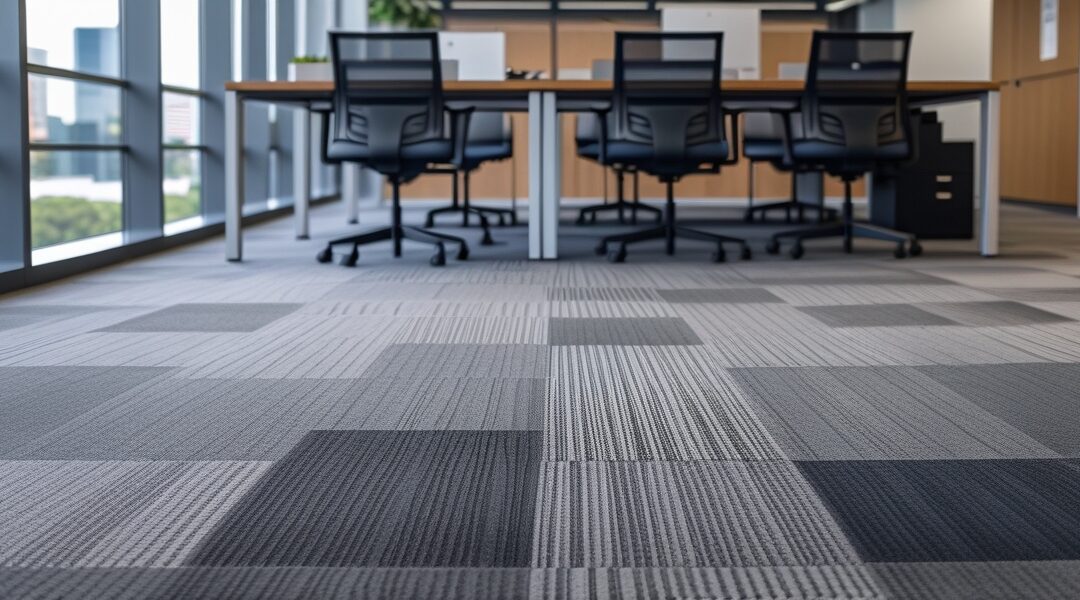
Case Study: Periodic Office Carpet Cleaning for Melbourne Offices
This case study examines a practical, evidence-based approach to periodic office carpet cleaning in Melbourne commercial spaces. It covers recommended frequencies, cleaning methods with a focus on carpet steam cleaning Melbourne (hot water extraction), cost and environmental considerations, measurable benefits (health, appearance, lifecycle extension), and a step-by-step implementation plan used in a medium-sized Melbourne office. The findings are aligned with recent industry guidance and Australian commercial cleaning practice trends.
Why Periodic Office Carpet Cleaning Matters
Office carpets are high-contact surfaces that accumulate dust, dirt, allergens, and moisture. Without a planned periodic cleaning program, carpets deteriorate faster, indoor air quality suffers, and businesses face higher replacement costs and potential health complaints among staff. This case study sets out a repeatable maintenance model to reduce total lifecycle cost and improve workplace wellness.
Primary benefits
- Improved Indoor Air Quality — removing embedded particulates and allergens reduces respiratory triggers for staff.
- Extended Carpet Lifespan — regular deep cleaning prevents fibre abrasion from gritty soils and restores pile.
- Professional Appearance — regular maintenance preserves colour and appearance for visitor impressions and staff morale.
- Reduced Long-Term Cost — planned cleaning is more cost-effective than early replacement or ad-hoc emergency cleans.
The Melbourne Office: Profile and Problem Statement
Client: A four-floor professional services firm in central Melbourne with a mix of open-plan workstations, private offices, two meeting suites and a high-traffic reception area.
Carpet type: Commercial loop-pile and low-pile nylon in circulation routes; modular carpet tiles in some office zones.
Key issues observed before intervention:
- Visible soiling and traffic lane darkening in corridors and reception.
- Accumulated particulate reducing vacuum efficacy.
- Stains from coffee and food in breakout areas.
- Ageing appearance in meeting rooms affecting client impressions.
Goals and KPIs
Project goals were framed to be measurable:
- Restore carpet appearance to an acceptable commercial standard within one month.
- Reduce visible soiling and improve indoor air quality metrics (staff-reported dust/allergy incidents) within three months.
- Implement a sustainable, repeatable cleaning schedule that reduces overall carpet replacement costs by at least 25% over five years.
Recommended Periodic Cleaning Regime (Based on Traffic)
Drawing on recent Australian industry guidance and international best practice, the cleaning frequency was set as follows:
- High-traffic zones (reception, main corridors, lifts entry): deep clean (hot water extraction / steam cleaning) every 3–6 months.
- Moderate-traffic zones (open-plan work areas, meeting rooms): deep clean every 6–12 months.
- Low-traffic zones (private offices, storage): deep clean every 12–24 months.
- Daily/weekly routine: daily spot cleaning as required and commercial-grade vacuuming 3–5 times per week in busy areas; once weekly in low-traffic zones.
Cleaning Method: Why Steam (Hot Water Extraction) Was Chosen
The project team selected hot water extraction (commonly called carpet steam cleaning Melbourne when performed by local contractors) as the primary deep-clean method because:
- It removes embedded soils and soluble contaminants more effectively than bonnet or dry compound systems.
- It rinses detergents and soil from carpet fibres, reducing re-soiling risk when done correctly.
- When performed with modern low-moisture extraction equipment, drying times are acceptable for commercial scheduling (typically 2–6 hours depending on ventilation).
- It is widely recommended by carpet manufacturers for maintaining warranties and fibre integrity.
To support ongoing quality, the cleaning specification required the use of low-VOC, biodegradable detergents and waste water capture consistent with environmental best practice.
carpet steam cleaning Melbourne
Implementation: Step-by-Step Case Actions
The implementation comprised four phases: assessment, immediate remediation, schedule setup and monitoring.
Phase 1 — Assessment (Week 0)
- Site walk-through to map traffic zones, carpet types and soiling patterns.
- Photographic records and baseline measurements (spot stain counts, visual soiling scores, staff feedback survey).
- Air quality baseline via dust deposition and staff health feedback (self-reported symptoms).
Phase 2 — Immediate Remediation (Weeks 1–2)
- Targeted spot treatments for food and beverage stains using manufacturer-approved chemistry.
- Full hot water extraction in reception and corridors to normalise appearance and remove embedded soils.
- Encapsulation cleaning for open-plan zones where rapid dry times were needed between shifts.
Phase 3 — Schedule Setup (Month 1)
- Adopted the traffic-based frequency schedule above and formalised it in the facility maintenance plan.
- Agreed contractor scope including equipment standards (portable high-pressure extractors, truck-mounted units for after-hours deep cleans), chemical approvals (low-VOC, biodegradable) and waste water management.
- Set routine vacuuming schedules and rapid-response spot cleaning protocols for spills.
Phase 4 — Monitoring and Continuous Improvement (Months 2–12)
- Quarterly visual audits and annual deep-inspection with photographic records.
- Staff satisfaction surveys and incident logs for stains or odour complaints.
- Review of carpet condition and replacement forecasts annually to track lifecycle economics.
Cost Considerations and Value
Commercial carpet cleaning costs vary with the method, scale, access and frequency. In this case study:
- Initial remediation (one-off comprehensive steam clean across all floors) represented the largest expense but restored appearance and delayed replacement.
- Ongoing periodic cleans were budgeted as an operational expense and costed lower per visit due to planned scheduling and contractor retention.
Key financial outcomes over the first 12 months:
- Appearance and client feedback improved within one month; reduced ad-hoc stain removal costs.
- Estimated deferral of carpet replacement by 3–5 years, producing a projected saving of approximately 20–30% in lifecycle costs compared to reactive replacement timelines.
Health, Safety and Environmental Controls
To align cleaning with workplace health and environmental expectations in Melbourne:
- Selected cleaning chemicals with Australian Safety Data Sheets and low VOC characteristics to reduce odour and chemical exposure.
- Used containment and wastewater capture to prevent on-site discharge of cleaning effluent to stormwater (consistent with local environmental best practice for contractors).
- Ensured cleaning contractors provided risk assessments and method statements for after-hours work and equipment safety.
Procurement required contractors to supply evidence of safe chemical use, equipment exhaust water capture and insurance cover for commercial premises. The facility manager also established a quick-notice procedure for spill response to minimise staining risk.
Measured Outcomes and KPIs After 12 Months
After one year the following results were recorded:
- Visual soil levels in high-traffic zones dropped by an estimated 60% compared to baseline photos taken prior to remediation.
- Staff-reported dust/allergy incidents reduced by 35% in surveys (subjective but consistent across multiple departments).
- Carpet replacement forecast pushed out by an estimated average of 4 years across floors, saving capital expenditure in the short term.
- Reduction in emergency spot-clean call-outs (ad-hoc services) by 70%, improving contractor scheduling efficiency and reducing per-incident cost.
Lessons Learnt and Practical Recommendations
From this Melbourne case study we derived several practical recommendations for facility managers considering a periodic carpet cleaning programme:
- Classify carpet zones by traffic and tailor frequency accordingly — this balances cost with performance.
- Adopt hot water extraction as the principal deep-clean method, with rapid-dry alternatives (encapsulation) where downtime is critical.
- Standardise contractor requirements (equipment, chemicals, wastewater capture, safety documentation) in procurement documentation.
- Use photographic baselines and KPIs to demonstrate value and justify budgets to finance teams.
- Include environmental specifications for detergents and disposal to minimise VOCs and local environmental impact.
https://www.janiking.com/blog/
How to Build Your Own Periodic Carpet Cleaning Plan (Quick Checklist)
- Conduct a site assessment and map traffic zones.
- Create a cleaning frequency matrix (high/moderate/low) with assigned methods.
- Specify contractor standards (equipment, chemicals, environmental controls).
- Schedule an initial deep clean to establish baseline condition.
- Implement routine vacuuming and spot-clean procedures for staff.
- Monitor performance via quarterly audits and staff feedback.
- Review and update the plan annually based on condition and budget.
Final Thoughts
Periodic, planned carpet maintenance using evidence-based frequencies and modern hot water extraction delivers measurable benefits for Melbourne offices: healthier indoor environments, sustained professional appearance, and lower long-term costs through extended carpet life. Facility managers who move from reactive cleaning to a scheduled, documented programme will typically see improved staff satisfaction and predictable maintenance budgets.
If you manage an office in Melbourne, begin with a traffic-based audit and a one-off restorative clean followed by a tailored periodic schedule — this approach is the most cost-effective path to preserving carpet assets while maintaining a healthy workplace.
https://shorturl.fm/jWjcj
https://shorturl.fm/6dLzW
https://shorturl.fm/i1eGL
https://shorturl.fm/3V0tI
https://shorturl.fm/foIfh
https://shorturl.fm/ajxLW
https://shorturl.fm/Ss7Ai
https://shorturl.fm/aSO3V
https://shorturl.fm/1CLHr
https://shorturl.fm/ejwcF
https://shorturl.fm/gDnpH
https://shorturl.fm/tcmTn
https://shorturl.fm/9y9Qm
https://shorturl.fm/AZRVs
https://shorturl.fm/VUIMP
https://shorturl.fm/B1ZuB
https://shorturl.fm/bVcK4
https://shorturl.fm/zkNst
https://shorturl.fm/5vChO
Alright folks, hopped onto 188betbetting88 recently and gotta say, it’s a decent option if you’re looking for a place to throw down some bets. The interface is fairly straightforward and they seem to have a pretty wide range of sports to choose from. Could use a little sprucing up in the promotions department, though. You can give it a shot here 188betbetting88.
Checking out the action at taya777club. The site looks pretty slick, let’s see if the games are as good as they look!
Fair go! Had a look at 8qbet88, interface seemed pretty outdated. On first impressions, it seems fine. Just don’t love the user expierence. Check it here: 8qbet88
https://shorturl.fm/FJWTg
https://shorturl.fm/PcnNb
https://shorturl.fm/lEEnD
https://shorturl.fm/MVWSp
https://shorturl.fm/UNU1r
https://shorturl.fm/Xcxmf
https://shorturl.fm/4DmOO
https://shorturl.fm/qqdqK
https://shorturl.fm/uY1vc
Way cool! Some extremely valid points! I appreciate you writing this write-up and the rest of the website is also very good.
https://shorturl.fm/CJFxe
Hello There. I found your blog using msn. This is a very well written article. I will be sure to bookmark it and return to read more of your useful information. Thanks for the post. I’ll certainly return.
https://shorturl.fm/9naLe
https://shorturl.fm/nF75C
https://shorturl.fm/s1PfW
I was nervous to try anything new, but a friend recommended Cialis and pointed me towards some helpful resources for finding lilly pharmaceuticals coupons cialis. The difference it’s made is incredible – I feel more confident and connected than I have in years. Definitely worth exploring, especially with the savings a coupon can provide!
https://shorturl.fm/bF6Tb
https://shorturl.fm/oKOpD
https://shorturl.fm/rXI8Y
Enter your invite code to earn your airdrop on Aster https://is.gd/ZceEI6
Special ability to earn $ASTER bonus https://is.gd/CGTnqR
Claim 5% Rebate and Exclusive Bonuses on AsterDEX https://is.gd/CGTnqR
Claim 5% Rebate and Exclusive Bonuses on AsterDEX https://is.gd/CGTnqR
Way cool! Some extremely valid points! I appreciate you writing this write-up and the rest of the website is extremely good.
Fast indexing of website pages and backlinks on Google https://is.gd/r7kPlC
Hello, I log on to your blogs on a regular basis. Your story-telling style is witty, keep up the good work!
I really like what you guys are usually up too. This sort of clever work and coverage! Keep up the good works guys I’ve incorporated you guys to my own blogroll.
I really like what you guys tend to be up too. This kind of clever work and coverage! Keep up the awesome works guys I’ve included you guys to our blogroll.
I am sure this piece of writing has touched all the internet people, its really really fastidious post on building up new blog.
I want to to thank you for this excellent read!! I definitely enjoyed every bit of it. I have got you saved as a favorite to check out new things you
Join our affiliate community and earn more—register now!
Become our partner and turn clicks into cash—join the affiliate program today!
Link exchange is nothing else but it is only placing the other person’s website link on your page at suitable place and other person will also do same for you.
At this time it seems like Drupal is the preferred blogging platform out there right now. (from what I’ve read) Is that what you’re using on your blog?
Join our affiliate program today and earn generous commissions!
Join our affiliate program today and earn generous commissions!
Join our affiliate community and start earning instantly!
Yo, ketqua net9 is the real deal. Been using it for my results and the site’s always quick and easy to navigate. Check it out here: ketqua net9
If you’re looking for a solid online casino, playpix.com casino is a good bet. Good selection of games, and I’ve had some decent payouts too. Plus, the site is legit. Ready to win? Check it here: playpix.com casino
Just gettin’ into Play Pix and so far, I’m impressed. Easy to use, fun games, and seems like a safe place to play. Thumbs up from me! Start playing: play pix
Tap into a new revenue stream—become an affiliate partner!
Ahaa, its nice discussion about this piece of writing at this place at this web site, I have read all that, so now me also commenting at this place.
These are really fantastic ideas in regarding blogging. You have touched some pleasant points here. Any way keep up wrinting.
Get paid for every referral—sign up for our affiliate program now!
These are truly fantastic ideas in about blogging. You have touched some pleasant points here. Any way keep up wrinting.
Earn passive income with every click—sign up today!
Be rewarded for every click—join our affiliate program today!
Become our partner and turn clicks into cash—join the affiliate program today!
I am sure this article has touched all the internet people, its really really nice paragraph on building up new blog.
Become our affiliate—tap into unlimited earning potential!
Share your unique link and cash in—join now!
Become our partner now and start turning referrals into revenue!
Tap into a new revenue stream—become an affiliate partner!
Join our affiliate program and start earning commissions today—sign up now!
Get paid for every referral—enroll in our affiliate program!
Earn up to 40% commission per sale—join our affiliate program now!
Refer and earn up to 50% commission—join now!
Thanks designed for sharing such a good opinion, paragraph is good, thats why i have read it entirely
I am sure this piece of writing has touched all the internet people, its really really fastidious paragraph on building up new web site.
Start profiting from your network—sign up today!
Partner with us for high-paying affiliate deals—join now!
I like it when people come together and share thoughts. Great blog, stick with it!
Hi, I read your new stuff daily. Your writing style is awesome, keep up the good work!
I am sure this piece of writing has touched all the internet users, its really really pleasant article on building up new blog.
Grow your income stream—apply to our affiliate program today!
Thanks for the auspicious writeup. It in reality was a entertainment account it. Look advanced to more introduced agreeable from you! By the way, how can we keep up a correspondence?
Ahaa, its nice conversation on the topic of this paragraph here at this weblog, I have read all that, so now me also commenting at this place.
Get paid for every click—join our affiliate network now!
Earn up to 40% commission per sale—join our affiliate program now!
Drive sales, earn big—enroll in our affiliate program!
Earn passive income on autopilot—become our affiliate!
I visited various sites but the audio feature for audio songs present at this site is really fabulous.
Drive sales and watch your affiliate earnings soar!
I am sure this piece of writing has touched all the internet people, its really really fastidious paragraph on building up new blog.
Wow, this paragraph is good, my younger sister is analyzing these things, therefore I am going to convey her.
Boost your income—enroll in our affiliate program today!
Promote our products and earn real money—apply today!
It’s very straightforward to find out any topic on net as compared to books, as I found this paragraph at this site.
Ahaa, its good dialogue regarding this post here at this weblog, I have read all that, so at this time me also commenting at this place.
I’m curious to find out what blog platform you have been utilizing? I’m experiencing some small security issues with my latest website and I would like to find something more safeguarded. Do you have any suggestions?
Boost your earnings effortlessly—become our affiliate!
Sign up now and access top-converting affiliate offers!
Become our partner and turn referrals into revenue—join now!
Refer friends, earn cash—sign up now!
Если нужен удалённый сервер, можно воспользоваться vps xrumer, что обеспечит бесперебойную работу.
Share your unique link and cash in—join now!
Start sharing our link and start earning today!