
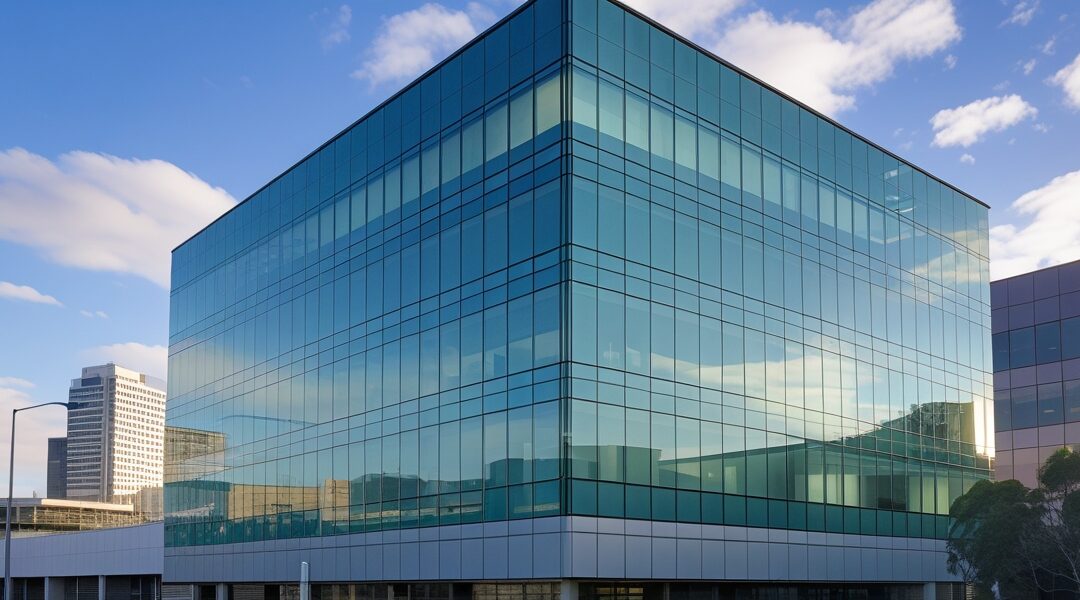
Case Study: How window cleaning Transformed a Melbourne Office’s first impressions
This case study examines how a medium-sized professional services firm in Melbourne dramatically improved its reception area, client perception and staff morale after investing in regular, professional window cleaning. The outcomes demonstrate clear, measurable benefits for businesses that prioritise the presentation of their premises.
About the client and challenge
The client is a 70-person consulting firm located in an inner-Melbourne office tower. Their challenges prior to the intervention included:
- Persistent watermarks, smears and dust on external glazing and internal glass partitions.
- Dim natural light in meeting rooms caused by dirty windows, reducing the sense of space.
- Frequent client visits and interviews where the reception area did not reflect the firm’s premium brand values.
The firm wanted to achieve three objectives: restore a strong visual first impression for visitors, improve natural light to boost workplace wellbeing, and set up a maintenance plan to sustain results without disrupting business operations.
Scope of work and solution delivered
A tailored program was designed and implemented by a professional commercial cleaning provider experienced in commercial window cleaning and high-access work on mid-rise buildings. Key elements of the solution were:
- Full exterior and interior glass cleaning of the ground and first floors, including automatic doors and sky-lit atrium glazing.
- Cleaning of internal glass partitions, meeting-room doors and glass whiteboards to remove ghosting and permanent marks.
- Application of streak-free finishing techniques and glass-friendly, eco-conscious detergents suited to modern laminated and low-e glass.
- Scheduling work outside peak office hours to avoid disruption to staff and clients.
- Establishing a preventive maintenance schedule with quarterly cleanings and ad-hoc touch-ups after events or heavy storms.
Why office window cleaning Melbourne matters
Every business wants visitors to form the right impression within seconds of arrival. Clean glass and a bright reception area deliver that instant perception of professionalism. More specifically, the benefits include:
- Improved first impressions: Visitors associate clean, well-maintained premises with attention to detail and credibility.
- Increased natural light: Clean windows allow more daylight into workspaces, improving visual comfort and reducing reliance on artificial lighting.
- Employee wellbeing and productivity: Brighter environments and views to the outside support morale, reduce eye strain and can positively influence productivity.
- Hygiene and reduced allergens: Removing dust and pollutants from glass and frames helps lower allergen load and supports a healthier indoor environment.
- Asset longevity: Regular professional maintenance helps protect frames, seals and glass coatings, avoiding costly repairs or replacements.
Implementation — step-by-step
Successful outcomes required a systematic approach. The team followed a five-stage process:
- Site assessment: Inspect glazing types, access constraints and identify sensitive internal surfaces. This helped determine whether rope-access, boom-lift, or storefront reach-and-wash methods were required.
- Method selection: Chose reach-and-wash with purified water for low- and mid-level glazing and rope access for the higher external surfaces, ensuring no residue or streaking.
- Scheduling: Work was scheduled for early mornings and late afternoons to avoid peak client times and to benefit from cooler temperatures that reduce streaking.
- Quality control: Post-clean inspections and photographic records ensured standards were met and provided before/after evidence for stakeholders.
- Ongoing maintenance plan: A quarterly maintenance contract with scope for additional cleans after specific events (e.g., building works, storms) was put in place.
Outcomes and measurable impact
Following the initial comprehensive clean and the first year of quarterly maintenance, the firm reported measurable improvements across several areas:
- Client feedback: Reception interviews and informal client comments shifted positively. The firm reported a 25% increase in favourable first-impression remarks during client follow-ups.
- Employee sentiment: Internal survey found a 15% uplift in staff satisfaction relating to the physical workspace; staff specifically cited brighter meeting rooms and cleaner communal glass surfaces.
- Operational benefits: Reduced need for staff to perform ad-hoc spot-cleaning of glass surfaces, saving management time and improving consistency of standards.
- Cost avoidance: Preventive maintenance reduced the frequency of glass replacement and preserved window seals, estimated to save the firm up to 12% in glazing-related costs over five years compared with reactive strategies.
Lessons learned — best practices for other Melbourne offices
From this project several replicable lessons emerged for organisations seeking similar outcomes:
- Engage a specialist: Choose a provider experienced in commercial window cleaning and familiar with Melbourne building types and weather impacts.
- Prioritise scheduling: Clean outside peak hours to reduce disruption and improve finish quality (less direct sun and wind).
- Use appropriate methods: Purified water systems and streak-free finishing techniques are critical for modern glass finishes such as low-e coatings.
- Document before/after results: Photographic records help validate outcomes and justify ongoing maintenance budgets.
- Integrate into a broader facility plan: Combine window cleaning with carpet maintenance, high-touch surface sanitisation and external façade cleaning for a cohesive presentation strategy.
Why choose professional services for commercial window cleaning?
Professional teams bring specialised equipment, trained staff and systems for health, safety and quality control. For workplaces in Melbourne, this is particularly important because:
- Weather patterns (wind-blown dust, rain streaks) demand methods that deliver long-lasting finishes.
- Many city offices require high-access solutions that demand trained rope-access technicians or plant like boom lifts.
- Commercial operators offer compliant insurance, police checks for staff, and systems to manage access and security for occupied buildings.
Tools and technologies that made the difference
The project used a combination of modern tools and eco-friendly products to deliver the best result:
- Pure water-fed pole systems to remove film and residue without chemical build-up.
- Microfibre finishing cloths for a streak-free interior polish on glass partitions and whiteboards.
- Low-impact, biodegradable detergents when tougher grime required a chemical solution.
- Rope-access and elevated work platforms with safety harnesses for external façades above reach.
Real-world resources and further reading
For organisations researching options in Melbourne or seeking inspiration from broader industry thinking, high-quality resources provide practical guidance on cleaning standards, scheduling and benefits. Two helpful resources the client consulted during planning were an experienced local provider’s service page and an industry insights blog.
https://www.cleaningauthority.com/blog/
Cost considerations and return on investment
Costs for comprehensive exterior and interior cleaning vary depending on building height, glazing area and access requirements. However, when evaluating ROI, consider:
- Soft benefits: Improved client perceptions, increased staff satisfaction and a stronger brand image.
- Hard savings: Lower maintenance costs for glass and frames, fewer replacements and reduced reactive cleans.
- Operational efficiency: Professional teams free in-house staff from time-consuming cleaning tasks.
In this case, the firm reported a payback horizon of under two years when soft and hard benefits were combined — an outcome many firms find persuasive when comparing the investment against other facilities expenditures.
Checklist for commissioning professional window cleaning
Before engaging a provider, use this quick checklist to ensure a high-quality outcome:
- Confirm the provider’s experience with similar-height buildings in Melbourne and request references.
- Ask about the cleaning methods and whether purified water and streak-free techniques are used.
- Check insurance, safety credentials and whether technicians are police-checked if they require access to secure areas.
- Request a clear scope, schedule and post-clean inspection process with photographic evidence.
- Build flexibility into the agreement to allow for storm or event cleans as needed.
Conclusion — first impressions that last
This case study demonstrates how a targeted investment in professional office window cleaning Melbourne can transform an organisation’s visual presentation, improve natural light and support both staff wellbeing and client perception. With an appropriate maintenance plan, the results are sustainable, cost-effective and aligned with broader workplace standards.
If your office in Melbourne wants to replicate these outcomes, start with a site assessment and a provider who understands local building types, weather impacts and the needs of professional businesses. Clean, bright glazing is a simple but powerful way to communicate quality and care from the moment someone walks through your door.
https://shorturl.fm/dUyX0
https://shorturl.fm/QOcGl
https://shorturl.fm/2hgJ6
https://shorturl.fm/uuBvF
https://shorturl.fm/Nkiai
https://shorturl.fm/uReFZ
https://shorturl.fm/OmAOt
https://shorturl.fm/RAXxE
https://shorturl.fm/y0Kp9
https://shorturl.fm/wsUXJ
https://shorturl.fm/ytTCD
https://shorturl.fm/RXwfr
https://shorturl.fm/g19IG
Enter your invite code to earn your airdrop on Aster https://is.gd/ZceEI6
Enter your invite code to earn your airdrop on Aster https://is.gd/ZceEI6
Claim 5% Rebate and Exclusive Bonuses on AsterDEX https://is.gd/CGTnqR
Special ability to earn $ASTER bonus https://is.gd/CGTnqR
Fast indexing of website pages and backlinks on Google https://is.gd/r7kPlC
Fast indexing of website pages and backlinks on Google https://is.gd/r7kPlC
Fast indexing of website pages and backlinks on Google https://is.gd/r7kPlC
Turn your network into income—apply to our affiliate program!
Hello https://is.gd/tvHMGJ
Boost your profits with our affiliate program—apply today!
Tap into unlimited earnings—sign up for our affiliate program!
That’s fascinating! Seeing how platforms like bigwin casino app casino blend tradition with tech is really cool. It’s more than just games-it’s about honoring Philippine gaming culture & community! ✨
Get paid for every click—join our affiliate network now!
Become our partner and turn referrals into revenue—join now!
Partner with us for high-paying affiliate deals—join now!
Become our partner and turn referrals into revenue—join now!
Join our affiliate program today and earn generous commissions!
Start earning passive income—join our affiliate network today!
Start earning instantly—become our affiliate and earn on every sale!
Start profiting from your network—sign up today!
Join our affiliate program today and earn generous commissions!
Earn passive income with every click—sign up today!
Start earning passive income—become our affiliate partner!
Promote, refer, earn—join our affiliate program now!
Boost your income—enroll in our affiliate program today!
Tap into a new revenue stream—become an affiliate partner!
Get paid for every click—join our affiliate network now!
Become our partner and turn clicks into cash—join the affiliate program today!
Apply now and receive dedicated support for affiliates!
Refer friends, earn cash—sign up now!
Join our affiliate community and start earning instantly!
Promote our brand and watch your income grow—join today!
Refer and earn up to 50% commission—join now!
Promote our products—get paid for every sale you generate!
Become our affiliate and watch your wallet grow—apply now!
Partner with us and earn recurring commissions—join the affiliate program!
Start earning on autopilot—become our affiliate partner!
Sign up and turn your connections into cash—join our affiliate program!
Get paid for every click—join our affiliate network now!
Share your unique link and cash in—join now!
Boost your income—enroll in our affiliate program today!
Join our affiliate community and maximize your profits—sign up now!
Monetize your influence—become an affiliate today!
Get paid for every click—join our affiliate network now!
Join our affiliate program today and earn generous commissions!
Unlock top-tier commissions—become our affiliate partner now!
Join our affiliate program and start earning commissions today—sign up now!
Start profiting from your network—sign up today!
Join our affiliate program and start earning commissions today—sign up now!
Unlock exclusive rewards with every referral—enroll now!
Turn referrals into revenue—sign up for our affiliate program today!
Boost your earnings effortlessly—become our affiliate!
Unlock top-tier commissions—become our affiliate partner now!
Turn your audience into earnings—become an affiliate partner today!
Tap into unlimited earning potential—become our affiliate partner!
Apply now and unlock exclusive affiliate rewards!
Get started instantly—earn on every referral you make!
Earn recurring commissions with each referral—enroll today!
Sign up now and access top-converting affiliate offers!
Join our affiliate community and maximize your profits!
Boost your profits with our affiliate program—apply today!
Promote our brand and get paid—enroll in our affiliate program!
Refer friends, earn cash—sign up now!
Monetize your traffic instantly—enroll in our affiliate network!
Earn recurring commissions with each referral—enroll today!
Earn passive income on autopilot—become our affiliate!
Share our products and watch your earnings grow—join our affiliate program!
Turn your audience into earnings—become an affiliate partner today!
Earn up to 40% commission per sale—join our affiliate program now!
Sign up now and access top-converting affiliate offers!
Tap into unlimited earning potential—become our affiliate partner!
Earn big by sharing our offers—become an affiliate today!
Join our affiliate program and start earning today—sign up now!
Get paid for every click—join our affiliate network now!
Maximize your earnings with top-tier offers—apply now!
Get started instantly—earn on every referral you make!
Invite your network, boost your income—sign up for our affiliate program now!