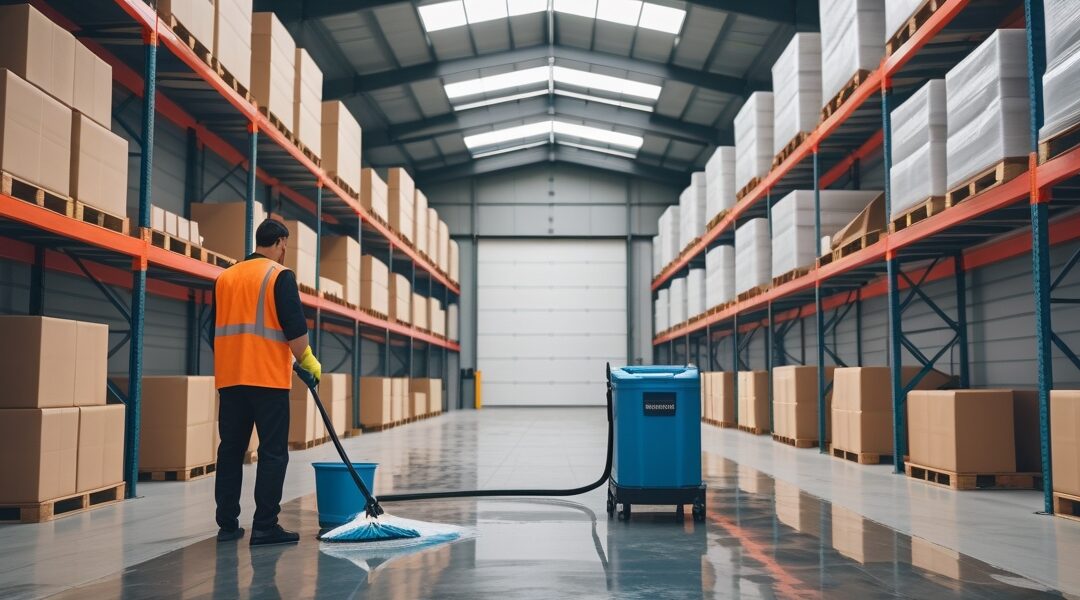
Eco-Friendly End-of-Lease Warehouse Cleaning in Melbourne
Up-to-date guide (2025) for landlords, tenants and facility managers on achieving compliant, sustainable end-of-lease warehouse cleaning Melbourne with minimal environmental impact.
Why choose eco-friendly end-of-lease cleaning?
End-of-lease cleaning for warehouses is more than cosmetic. It impacts bond returns, lease negotiations, occupational health and safety and environmental compliance. Choosing sustainable methods delivers multiple benefits:
- Reduces exposure to toxic chemicals for staff and incoming tenants.
- Helps meet local environmental and waste-disposal regulations (EPA Victoria).
- Supports corporate sustainability and ESG reporting.
- Often improves the quality of results — biodegradable cleaners and modern equipment remove grease, dust and residues effectively.
- Can reduce long-term costs via water-efficient processes and reusable materials (microfibre cloths, washable pads).
Regulatory and compliance considerations in Melbourne (2025)
For any end-of-lease warehouse clean in Victoria you must comply with multiple frameworks. Key requirements:
- WorkSafe Victoria — safe handling of cleaning chemicals, PPE for workers, ventilation and safe systems of work for tasks such as high-level dusting, confined-space cleaning and chemical use.
- EPA Victoria — correct segregation, storage and disposal of hazardous wastes (oils, contaminated rags, solvent residues). Licensed waste contractors may be required.
- WHS obligations (Safe Work duties) — duty of care to both cleaners and building occupants; risk assessments and control measures must be documented.
- Local council rules — stormwater protection, prohibited discharge of solvents or oily wash water to drains, and recycling requirements for general waste streams.
What an eco-friendly end-of-lease warehouse clean covers
A thorough end-of-lease warehouse clean tailored for sustainability typically includes:
- High-pressure dust removal from ceilings, rafters and light fittings using HEPA-filtered vacuums and controlled methods to prevent dust dispersion.
- Degreasing and washing of concrete floors with low-water, biodegradable degreasers and water reclamation where possible.
- Deep cleaning of racking, shelving and storage equipment using plant-based cleaners and microfibre systems.
- Sanitisation of office areas, amenities and high-touch points using non-toxic, hospital-grade sanitiser alternatives that are eco-certified.
- Safe removal and disposal of hazardous residues — labelled, segregated and handled by licensed contractors.
- Final inspection and photographic evidence for bond claims and landlord sign-off.
Recommended eco-friendly products and equipment
Choose products and tools that balance performance with sustainability. Recommended categories and features:
- Plant-based, biodegradable cleaners — effective on grease and grime without phosphates, chlorine or solvents.
- Microfibre cloths and pads — reduce chemical use and provide superior particle capture; washable and reusable.
- HEPA-filtered vacuums and dust extractors — capture fine particulates and reduce airborne dust during deep cleans.
- Low-water scrubbing machines — ride-on or walk-behind scrubbers with water-saving modes and recovery tanks to avoid drain contamination.
- Green-certified sanitiser options — non-toxic, fast-acting sanitisers recognised by recognised eco-labels where possible.
- Absorbent pads and spill kits — biodegradable absorbents for oil and chemical spills to prevent soil and stormwater contamination.
Waste handling and disposal — best practice
Proper waste handling is critical for compliance and environmental protection. Follow these steps:
- Segregate waste on-site: general waste, recyclables (paper, cardboard, plastics, metals), hazardous (oils, solvents, contaminated PPE/cloths).
- Store hazardous waste securely with correct labelling and temporary containment to prevent leaks or runoff.
- Use licensed hazardous-waste carriers for transportation and disposal; obtain documentation and waste transfer notes for records.
- Prevent wash water entering stormwater drains—use containment, recovery and licensed disposal when cleaning oily surfaces.
- Recycle materials where possible; many warehouses generate large cardboard and pallet volumes suitable for recycling.
Step-by-step eco-friendly end-of-lease cleaning checklist
Use this practical checklist to ensure nothing is missed when preparing a warehouse for lease handover:
- Pre-clean assessment: inspect the site, note contamination zones (oil pits, chemical storage), and agree scope with the landlord/agent.
- Produce a safe work method statement (SWMS) and risk assessment for the cleaning job.
- Remove waste and unwanted materials — segregate and arrange licensed disposal for hazardous items.
- Dust and vacuum high-level areas with HEPA extraction before wet cleaning.
- Degrease and scrub floors using low-water machines and biodegradable detergents; recover wash water where feasible.
- Clean racking, shelving, and equipment using microfibre systems and eco-friendly cleaners.
- Sanitise amenities and office areas using green-certified sanitisers.
- Final touch-ups: windows, doors, light fittings and perimeter clean-up; ensure packaging, labels and signage removed as requested.
- Conduct a final inspection with photos and a completion report to support bond return claims.
Pricing considerations and what affects cost
While eco-friendly methods can sometimes carry a slight premium for certified products and specialist waste handling, they deliver greater assurance for bond returns and compliance. Price drivers include:
- Size of warehouse and height of racking/ceiling access needs.
- Level and type of contamination (e.g., oil, chemical residues, food-grade requirements).
- Need for hazardous-waste disposal and licensed carriers.
- Specialised equipment such as HEPA vacuums, water-recovery scrubbers or high-reach access platforms.
- Turnaround time and after-hours or weekend work (often required to meet lease deadlines).
Indicative range (2025 Melbourne market): smaller warehouses may start from a few hundred dollars for a basic handover clean, while larger or heavily contaminated facilities may run into the low thousands. Always request itemised quotes that show waste disposal and compliance documentation costs separately.
Certifications, training and supplier selection
Choosing the right cleaning provider matters. Look for:
- Evidence of staff training in WHS, hazardous materials handling and eco-cleaning techniques.
- Green or eco-cleaning certifications and transparent product lists.
- Insurance and licensing, including public liability and workers’ compensation.
- Documentation for waste disposal and the ability to provide waste transfer notes and manifests.
- References or case studies from similar end-of-lease warehouse projects.
Practical tips to reduce cost and environmental impact
- Plan ahead — scheduling cleaners well before lease-end allows time to address contamination without rushed, expensive interventions.
- Audit and remove hazardous materials before cleaners arrive — reduces specialist disposal costs.
- Use reusable microfibre systems rather than single-use wipes.
- Request product SDS (safety data sheets) and eco-certificates to confirm green claims.
- Consider a staged clean — a preliminary tidy and waste removal followed by a final deep clean often reduces overall time and cost.
Case study-style example: Typical workflow for a 2,000 m² warehouse
Example sequence that combines compliance and green practice:
- Initial site visit and scope definition; identify oil zones and chemical storage.
- Preparation and SWMS creation; isolate areas and set up spill containment.
- Waste segregation and removal (pallets, cardboard, general waste, hazardous residues) with licensed haulier.
- HEPA high-level dust extraction, followed by floor degreasing with low-water scrubber and biodegradable degreaser; recover waste water.
- Racking and equipment wiped with microfibre and plant-based cleaner; office areas sanitised.
- Final inspection, photos and provision of waste documentation and a certificate of completion.
Working with professional cleaning services
Engaging experienced cleaners helps ensure regulatory compliance and demonstrates to landlords that the property was responsibly restored. When obtaining quotes, request the following:
- Itemised scope and cost breakdown (labour, equipment, products, waste disposal).
- List of products with eco-certifications and SDS documents.
- Evidence of licences, insurances and staff training.
- Sample completion report and photos from previous end-of-lease jobs.
For more information on professional entry and exit services, tenants often research local providers and compare service inclusions carefully — this makes selecting the right team easier and avoids unexpected costs at handover. For a professional entry and exit cleaning service in Melbourne, consider booking a specialist that lists detailed end-of-lease offerings such as end of lease cleaning Melbourne.
Complementary resources and services
Additional services that can be useful during end-of-lease turnover:
- Industrial waste contractors for hazardous material removal.
- Floor restoration specialists for concrete degreasing and sealing if required.
- Pest control services for sites that have stored goods attracting pests.
- Small repairs and maintenance contractors to ensure fixtures meet lease return standards.
General domestic and commercial cleaning franchises may provide useful supplementary services or products; for general cleaning industry insights see resources such as Practically Spotless.
Frequently asked questions
Q: Will using eco-friendly products affect the quality of the clean?
A: No — modern plant-based and biodegradable formulations are highly effective on grease, dust and biological contamination. When used with appropriate equipment (HEPA vacuums, low-water scrubbers) results meet or exceed traditional methods.
Q: Who is responsible for hazardous waste left by the tenant?
A: Tenants are typically responsible for removing hazardous wastes they introduced. If hazardous materials are discovered at handover, discuss remediation and cost allocation with the landlord—licensed disposal will be required.
Q: How long does a typical end-of-lease warehouse clean take?
A: Time varies with size and contamination. A small warehouse may be completed in a day; medium to large or heavily contaminated sites can take multiple days and require staged work.
Final checklist before handover
- Confirm scope and sign-off criteria with landlord/agent in writing.
- Obtain necessary waste transfer documentation from contractors.
- Conduct a joint inspection and photograph all cleaned areas.
- Retain certificates and SDS for products used and provide them if requested.
- Keep copies of SWMS and risk assessments on file for potential disputes.
https://shorturl.fm/4l9wv
https://shorturl.fm/WZmMO
https://shorturl.fm/7DpO1
https://shorturl.fm/omBLT
https://shorturl.fm/VaveV
https://shorturl.fm/Ek3kE
Just found bet88vietnam. They seem to be very focused on the Vietnamese market. I think this is the site for me since I’m looking for the best rates!
https://shorturl.fm/FGwLd
https://shorturl.fm/MaXLQ
https://shorturl.fm/qdFbu
https://shorturl.fm/yomJJ
https://shorturl.fm/q7RKW
https://shorturl.fm/Rj0nr
https://shorturl.fm/AdeVW
https://shorturl.fm/oZXFK
https://shorturl.fm/Qg5VO
https://shorturl.fm/mhUW4
https://shorturl.fm/ljqA1
https://shorturl.fm/vh5yx
https://shorturl.fm/w6XE6
https://shorturl.fm/dbT0f
https://shorturl.fm/PyU9h
https://shorturl.fm/AEYoW
https://shorturl.fm/S8dyH
https://shorturl.fm/7veFt
https://shorturl.fm/f5mqM
https://shorturl.fm/FwZ2K
https://shorturl.fm/0K80R
https://shorturl.fm/5KV99
https://shorturl.fm/7GTSl
https://shorturl.fm/kQ70i
https://shorturl.fm/x4u0U
https://shorturl.fm/yP674
https://shorturl.fm/iIndZ
https://shorturl.fm/DcViI
https://shorturl.fm/ZvOwm
https://shorturl.fm/q3wEc
https://shorturl.fm/nSpmI
https://shorturl.fm/iKiBf
https://shorturl.fm/3k7mA
https://shorturl.fm/lXAQM
https://shorturl.fm/9y3cw
https://shorturl.fm/bAYKE
Beyond-Memories offers compassionate memorial artistry, carefully crafting ashes into elegant jewelry and crystals that reflect love, remembrance, and timeless connections that never fade.
Yo, first look at fcb8, the homepage grabbed my attention. Digging it. Worth checking out. fcb8
Ayy, jljl11promocode, you better have some sweet deals! My wallet ain’t bottomless, ya feel me? Hook a brother up with some savings! jljl11promocode
Ey yo! Just browsed through x88win. It’s… there. Not particularly impressive, but not awful either. Worth a look if you’re bored. Let me know your thoughts! Check it out here: x88win
Need fast, reliable garage door repair? Our 24-hour emergency service is available day or night. We fix broken springs, doors off track, openers, and more—quick response, expert technicians, guaranteed results.
VIPJLLogin is pretty straightforward to use. The VIP features are a nice touch too. See for yourself at vipjllogin .
Jiliwinbet7 is worth checking out. Nice interface and a good variety of games. Head over to jiliwinbet7 and let me know what you think.
13win21 is decent – gives you a good chance to have some fun. I recommend taking a quick look at 13win21 and seeing if its for you.
Frigidaire Appliance Repair Services offers fast, reliable, and professional repair solutions for all your Frigidaire appliances. From refrigerators and ovens to washers and dryers, our certified technicians ensure your appliances run efficiently. We provide expert diagnostics, genuine parts, and convenient service you can trust. Restore performance and peace of mind with Frigidaire Appliance Repair Services today.
A 24/7 local dentist is a dental professional or clinic that provides emergency dental care at any hour of the day or night. These services are designed to handle urgent dental problems such as severe toothaches, broken teeth, knocked-out teeth, infections, bleeding gums, or lost fillings. The goal is to provide immediate relief and prevent further complications.
Brothers Locksmith is a trusted name in professional locksmith services, offering reliable, affordable, and modern security solutions. From residential and commercial security to automotive and emergency assistance, they provide complete protection under one roof. With skilled technicians and a customer-first approach, Brothers Locksmith continues to be a dependable partner for all your security needs.
Heard about primo gaming 88. Seems promising. Anyone got any pro tips before I dive in? Need to know the inside scoop!
Oi, wanna watch the matches on the go? Someone suggested the selçuk sports apk. Gonna download it and see if it’s any good. You can find it here: selçuk sports apk. Fingers crossed it works!
Hey there! Just surfing around for some hot online action when I found 8kbetlink. What do you guys and gals think? Check it out here: 8kbetlink. Let me know what you reckon before I take the plunge!
Authorized-Appliance refers to certified and officially approved home or commercial appliances that meet industry standards for safety, quality, and performance. Choosing an authorized appliance ensures that the product is genuine, backed by the manufacturer’s warranty, and supported by professional service and maintenance. Whether it’s refrigerators, washing machines, ovens, air conditioners, or other essential equipment, authorized appliances provide reliability, energy efficiency, and long-term durability. Purchasing from authorized dealers also guarantees access to original parts, expert installation, and after-sales support, giving customers peace of mind and maximum value for their investment.
Really enjoying exploring new online gaming options! Seeing platforms like Jiliph Hot cater specifically to PH players with GCash & PayMaya is smart. Check out the jiliph hot app download apk – easy registration & quick deposits seem key for a smooth experience! 👍
Опытные оптимизаторы заказывают прогон xrumer, чтобы получить быстрые результаты.